Five Common Wildflowers to Spot in Spring
As winter recedes, the landscape gradually transforms with the emergence of early wildflowers. These blooms not only signal the changing season but also offer opportunities for observation and photography. Understanding the characteristics of common spring wildflowers can enhance your outdoor experiences and foster a deeper appreciation for local ecosystems. This guide introduces five wildflowers commonly found in the United States, focusing on their identification, typical habitats, and considerations for responsible photography.
While each species has unique traits, they share a reliance on specific environmental conditions for growth. Factors such as soil type, moisture levels, and sunlight exposure influence where these plants thrive. By learning about these requirements, you can better predict where to find them and how to approach their documentation without causing harm. The following sections provide detailed profiles of each wildflower, along with general tips for ethical observation and photography.
Bluebells
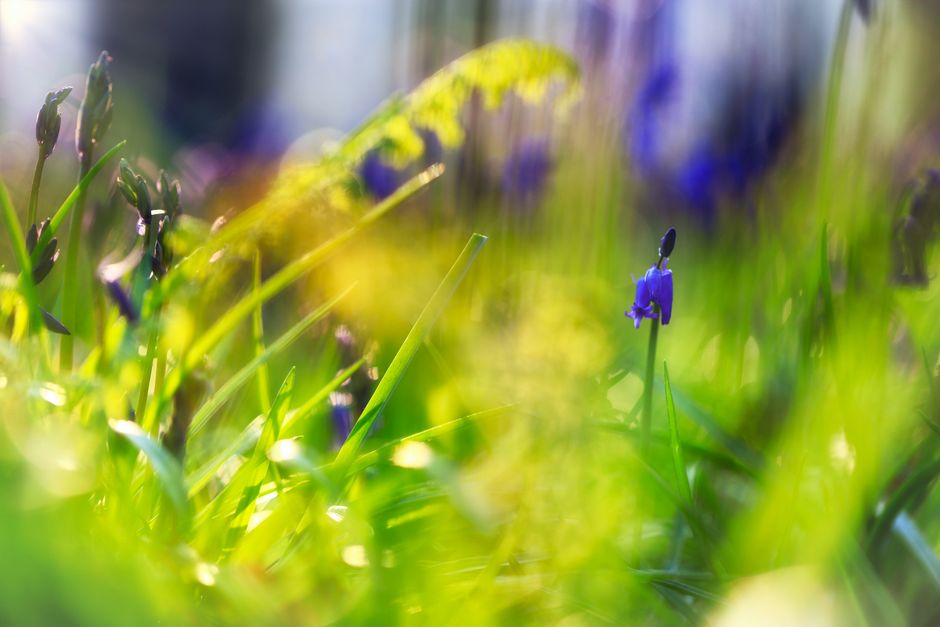
Bluebells, particularly the Virginia bluebell (Mertensia virginica), are native to eastern North America and are among the first herbaceous plants to bloom in spring. Their nodding, bell-shaped flowers transition from pink buds to blue blossoms, creating striking patches in moist woodlands. The leaves are smooth and oval, and the plant reaches heights of one to two feet. These perennials favor rich, well-drained soils and partial to full shade, often found along stream banks and in floodplain forests.
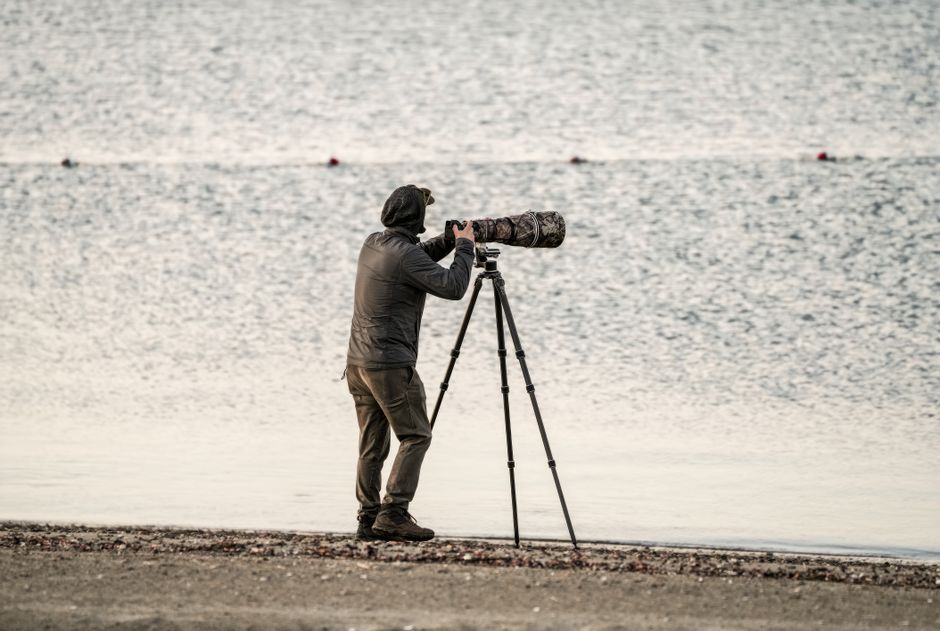
When searching for bluebells, look for areas with consistent moisture and dappled sunlight. They typically emerge in early spring, sometimes while snow is still present, and bloom for a few weeks before going dormant. Photographing these delicate flowers requires patience and a gentle approach. Using a macro lens can capture intricate details, but it is essential to avoid trampling surrounding vegetation. Stay on established trails and use a telephoto lens if necessary to maintain distance. Remember that picking or disturbing wildflowers can disrupt their life cycles and reduce future populations.
Daffodils
Daffodils, belonging to the genus Narcissus, are not native to the United States but have naturalized in many regions. Their bright yellow or white petals and distinctive trumpet-like corona make them easily recognizable. These hardy bulbs are often found in old homestead sites, meadows, and along roadsides, where they have escaped cultivation. Daffodils prefer well-drained soil and full to partial sun, and they bloom from early to mid-spring depending on the variety.
To locate daffodil patches, historical records and local knowledge can be valuable resources. Old maps or community anecdotes may reveal abandoned gardens where these flowers persist. When photographing daffodils, consider the lighting; early morning or late afternoon light can enhance their vibrant colors. As with all wildflowers, avoid picking them, as this can deprive the bulbs of energy for the next season. Instead, compose shots that include their natural surroundings, providing context and minimizing disturbance.
Trilliums
Trilliums are spring ephemerals known for their three-petaled flowers and whorled leaves. Several species exist across the United States, including the large-flowered trillium (Trillium grandiflorum) and the red trillium (Trillium erectum). These plants grow in rich, moist woodlands and are often associated with mature forests. Their flowers can be white, pink, red, or purple, and they typically bloom in mid to late spring. Trilliums are slow-growing and long-lived, taking several years to reach flowering age.
Because of their sensitivity to disturbance, trilliums require careful observation. They are particularly susceptible to picking, which can kill the plant. When photographing these flowers, use a low angle to capture their elegance without touching them. A tripod can help stabilize the camera in low light, but ensure it does not crush nearby vegetation. Appreciating trilliums in their natural context supports their conservation, as many populations are declining due to habitat loss and overcollection.
Wild Violets
Wild violets (Viola species) are common across the United States, thriving in lawns, meadows, and woodland edges. Their heart-shaped leaves and five-petaled flowers, often purple, blue, or white, appear in early spring. These low-growing plants can form dense mats, and they prefer moist, well-drained soil with partial shade. Violets are also host plants for several butterfly species, contributing to biodiversity.
Identification can be challenging due to the many species and hybrids, but observing leaf shape and flower color helps narrow down possibilities. Since violets often grow in areas with human activity, such as parks and gardens, they are accessible for study. When photographing them, getting close to the ground can reveal their delicate structure. Use a macro lens to highlight details, but be mindful of your impact on the soil and surrounding plants. Avoid stepping on the violets themselves, and consider using a reflector to soften harsh shadows.
Bloodroot
Bloodroot (Sanguinaria canadensis) is a distinctive spring wildflower native to eastern North America. Its white, eight-petaled flowers close at night and open in the morning, and the plant gets its name from the red sap in its roots. Bloodroot emerges early, often before the forest canopy leafs out, and it prefers rich, deciduous woods with shaded, moist conditions. The lobed leaves wrap around the flower stalk, making the plant easily recognizable.
Due to its early blooming period, bloodroot can be found in the same habitats as bluebells and trilliums. Its ephemeral nature means the flowers last only a few days, so timing is crucial for observation. When photographing bloodroot, consider visiting the same location multiple times to capture different stages. Always handle the plant with care and avoid disturbing the roots, as the red sap can be toxic and the plant is sensitive to damage. Staying on designated paths ensures you do not inadvertently harm these fragile blooms.
Responsible observation extends beyond the act of photography. It involves understanding the ecological roles these plants play and the threats they face. Habitat destruction, invasive species, and climate change can affect wildflower populations. By learning about local flora and following ethical guidelines, observers contribute to their preservation. WildRoots encourages a mindful approach to nature, focusing on education and minimal impact.
For those interested in photographing spring wildflowers, several practices promote both safety and conservation. Always scout locations beforehand to identify sensitive areas and plan your route. Use natural light to your advantage, and avoid using flash, which can create harsh shadows and startle wildlife. Respect private property and adhere to park regulations, which often prohibit picking flowers. By sharing photographs and knowledge, you can inspire others to appreciate these natural treasures without causing harm.
In summary, the five wildflowers highlighted here—bluebells, daffodils, trilliums, wild violets, and bloodroot—offer diverse opportunities for springtime exploration. Each has unique characteristics and habitat preferences, making them rewarding subjects for study. By approaching them with respect and curiosity, you can deepen your connection to the natural world and support the conservation of these species for future generations.