The Importance of Wetlands for Migratory Birds
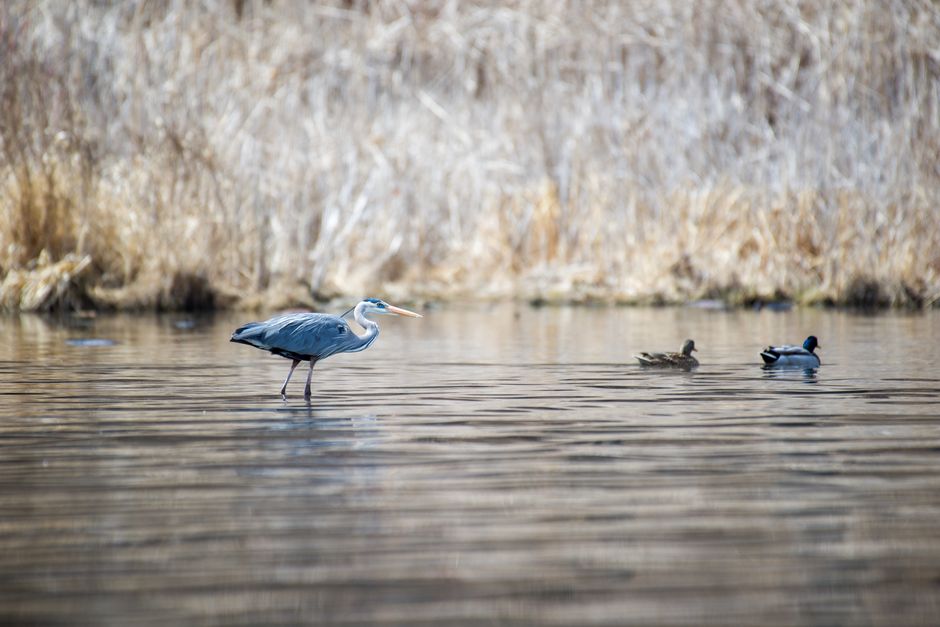
Wetlands, encompassing marshes, ponds, and other water-saturated landscapes, serve as critical nodes in the annual journeys of migratory birds. These ecosystems provide essential resources such as food, water, and shelter for species like waterfowl, shorebirds, and wading birds during their long-distance travels. The availability of suitable stopover habitats along migration routes can significantly influence the timing and success of these arduous journeys. This article examines the multifaceted role of wetlands as stopover sites for migratory waterfowl, the ecological functions that make them indispensable, and the various threats that compromise their integrity. It also highlights the importance of conservation efforts in mitigating these threats and ensuring the continued availability of these vital habitats.
The migration of birds is a remarkable natural phenomenon, involving the movement of millions of individuals across continents each year. These journeys are energetically demanding, requiring birds to accumulate substantial fat reserves before departure and to replenish them at intervals along the way. Stopover sites, where birds can rest and feed, are therefore not merely convenient layovers but essential for the completion of migration. Wetlands, with their high productivity and diverse invertebrate and plant life, are among the most important stopover habitats for waterfowl and other migratory birds. Without these refuges, many species would struggle to survive the physical toll of migration, leading to reduced reproductive success and population declines.
Wetlands as Vital Stopover Habitats
Wetlands serve multiple critical functions for migratory birds during their stopovers. Primarily, they offer abundant food resources. Marshes and shallow ponds are rich in aquatic invertebrates, seeds, tubers, and other plant materials that provide the necessary energy for birds to refuel. For example, the seeds of emergent plants and the larvae of aquatic insects are staple foods for many waterfowl species. The diversity of food sources supports a wide range of bird species with different dietary needs, contributing to the overall biodiversity of these habitats.
Additionally, wetlands provide essential shelter and resting areas. The complex structure of emergent vegetation offers cover from predators and harsh weather conditions. Birds can roost securely in dense cattails or reeds, reducing the risk of predation during vulnerable periods. The presence of open water and mudflats also facilitates safe landing and takeoff for large waterfowl. Moreover, wetlands often occur in networks or complexes, allowing birds to move between different sites as conditions change, which increases their resilience to environmental variability.
The geographic placement of wetlands along migration flyways is another key aspect. These habitats act as stepping stones, spaced at intervals that align with the flight capabilities and energy needs of migrating birds. The Prairie Pothole Region in North America, for instance, is a critical breeding and stopover area for millions of waterfowl. The loss of such wetland complexes would create gaps in migration corridors, forcing birds to make longer flights without rest and food, which could have severe consequences for their survival.
Ecological Functions Supporting Migratory Birds
Beyond providing immediate resources, wetlands perform ecological functions that sustain the availability of food and habitat over time. Hydrological regulation is one such function. Wetlands store and slowly release water, maintaining stable water levels and preventing extreme fluctuations that could disrupt food webs. This hydrologic stability ensures that invertebrates and plants thrive, supporting a consistent food supply for birds.
Water quality improvement is another critical function. Wetlands filter pollutants, trap sediments, and cycle nutrients, thereby maintaining the health of aquatic ecosystems. Clean water is essential for the aquatic organisms that birds feed on, and nutrient cycling supports primary productivity. The decomposition of organic matter in wetlands generates detritus, which forms the base of many food chains, sustaining invertebrates and, in turn, waterfowl.
Wetlands also offer ecological connectivity, linking various habitats within the landscape. Birds may use wetlands as corridors to move between breeding, staging, and wintering areas. The surrounding uplands, when properly managed, can provide additional foraging and nesting opportunities, enhancing the overall value of the wetland complex for migratory birds. This interconnectedness underscores the need to consider entire landscapes in conservation planning, rather than isolated wetland patches.
Threats to Wetlands and Their Impact on Migratory Birds
Despite their importance, wetlands face numerous threats that compromise their ability to support migratory birds. Habitat loss is the most significant threat, driven by agricultural expansion, urban development, and infrastructure projects. Drainage and filling of wetlands for farming or construction eliminate these habitats entirely, removing stopover options for birds. The cumulative loss of wetlands across migration routes can lead to population declines in many waterfowl species.
Pollution also poses a serious risk. Agricultural runoff containing pesticides and fertilizers can contaminate wetland ecosystems, harming the invertebrates and plants that birds depend on. Chemical contaminants can also bioaccumulate in bird tissues, affecting their health and reproductive success. Oil spills, industrial discharge, and other pollutants can directly poison birds or degrade their habitats.
Climate change adds another layer of complexity. Altered precipitation patterns and increasing temperatures can lead to more frequent droughts, changing the hydrology of wetlands and reducing their extent or duration. In some regions, wetlands may dry up earlier in the season, disrupting the timing of stopover use and the availability of food. Rising sea levels threaten coastal wetlands with inundation, while increased storm intensity can erode and destroy these fragile ecosystems. The combination of these pressures can have synergistic negative effects on migratory bird populations.
Conservation and Management Strategies
Efforts to conserve and restore wetlands are essential for maintaining their role as stopover habitats. Protecting existing wetlands through legal designations, such as Ramsar sites or national wildlife refuges, is a fundamental approach. These protected areas not only safeguard the habitats themselves but also provide opportunities for research and public education. Additionally, implementing buffer zones around wetlands can reduce the impact of adjacent land uses, such as agricultural runoff and industrial activity.
Restoration and creation of wetlands in areas where they have been lost can help rebuild connectivity along migration corridors. Restoration projects often involve re-establishing natural hydrological patterns, controlling invasive species, and planting native vegetation to recreate the structure and function of original wetlands. These projects can be designed to target specific bird species by providing the resources they need, such as shallow water for wading birds or mudflats for shorebirds.
Sustainable land-use practices are also crucial. Promoting practices like conservation tillage, integrated pest management, and responsible water use can reduce the negative impacts of agriculture and development on wetland ecosystems. Collaborative efforts involving private landowners, government agencies, and non-profit organizations can enhance the effectiveness of wetland conservation. Incentive programs that encourage landowners to maintain wetlands on their property can be particularly effective in agricultural landscapes.
Monitoring and research are vital to inform adaptive management strategies. By understanding the population trends of migratory birds and the conditions of wetlands, managers can adjust conservation actions as needed. The use of technology, such as satellite tracking and citizen science data, can provide insights into how birds use wetlands and the challenges they face. This information helps prioritize areas for protection and restoration, ensuring that limited resources are used efficiently.
“Wetlands are not merely habitats but lifelines that connect the continents for migratory birds. Their conservation requires collective action and a long-term vision.”
In conclusion, wetlands are indispensable for migratory birds, providing essential stopover grounds that sustain their journeys. These ecosystems deliver food, shelter, and ecological functions that are vital for the survival of waterfowl and other species. However, they are under increasing pressure from habitat loss, pollution, and climate change. Addressing these threats through comprehensive conservation strategies, including protection, restoration, and sustainable management, is critical. By safeguarding wetlands, we not only preserve biodiversity but also maintain the ecological integrity of migration corridors. The future of migratory birds depends on our ability to recognize the importance of these precious habitats and act to ensure their persistence.