Tracking the Red Fox: Habits and Habitats
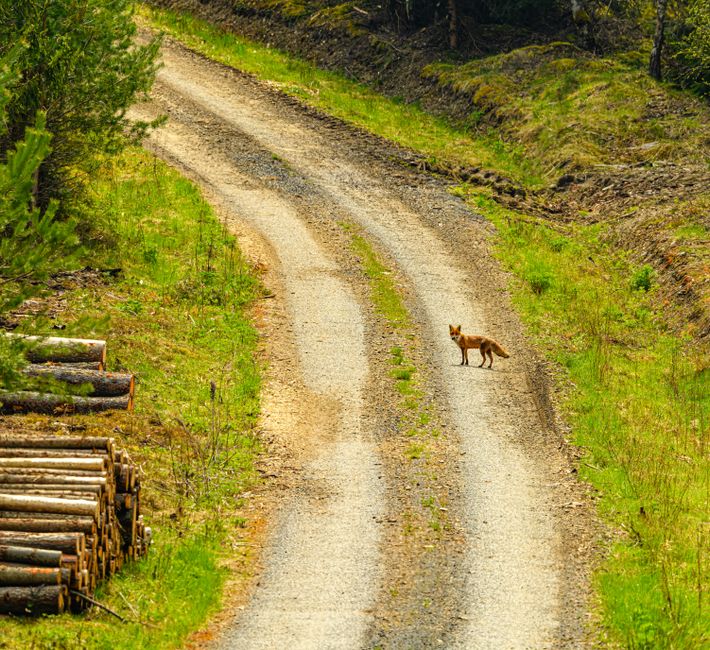
The red fox (Vulpes vulpes) is one of the most adaptable and widely distributed carnivores in the Northern Hemisphere. Its ability to thrive in diverse environments—from dense forests to urban neighborhoods—makes it a frequent subject of wildlife observation. For those interested in understanding these elusive animals, learning to recognize their dens and footprints is a practical starting point. Additionally, gaining insight into their territorial behavior and seasonal diet can deepen one’s appreciation of their ecological role. This article provides a systematic overview of these topics, focusing on identification, behavior, and ecological context.
Observing red foxes in the wild requires patience and a keen eye for subtle signs. Their activity patterns often coincide with dawn and dusk, times when many human observers are less active. By familiarizing oneself with the physical evidence foxes leave behind, such as tracks and dens, it becomes possible to piece together their daily routines and habitat preferences. Moreover, understanding how their diet changes with the seasons and how they defend territories offers a broader perspective on their survival strategies. The following sections break down these aspects in a way that is both informative and practical for wildlife enthusiasts and researchers alike.
Identifying Red Fox Dens
Red fox dens, also known as earths, are typically dug into well-drained soil, often on slopes or near the bases of trees. These burrows usually have multiple entrances, which can vary in size from about 15 to 25 centimeters in diameter. The main entrance may be larger, with a characteristic mound of excavated earth in front, often littered with food remains or animal droppings. Foxes may also use natural cavities or abandoned burrows of other animals, such as woodchucks or badgers, and modify them to suit their needs.
Seasonal use of dens is also notable. During the breeding season, from winter to early spring, dens serve as nurseries for the young. At other times, foxes may use dens sporadically for shelter or to raise litters. Identifying an active den can be done by looking for fresh tracks, scat, or prey remains near the entrance. However, it is important to observe from a distance to avoid disturbing the animals, especially during pupping season. Recognizing these signs not only aids in tracking but also contributes to habitat conservation efforts, as protecting den sites is vital for local fox populations.
Recognizing Fox Footprints
Fox footprints are relatively small and can be confused with those of domestic dogs or other canids. However, several features help distinguish them. The typical red fox track measures about 4.5 to 5.5 centimeters in length and 3.2 to 3.8 centimeters in width. The tracks are oval-shaped, with four toes and a small, triangular heel pad. Unlike dogs, foxes tend to walk in a straight line, placing their hind feet in the tracks of their front feet—a pattern known as direct registering. This creates a single trail that appears more deliberate and economical.
Another distinguishing feature is the presence of claw marks, which are often visible, especially in soft substrates like mud or snow. The overall shape and arrangement of toe pads can be compared to a subtle ‘X’ shape, with the two front toes slightly offset from the back toes. In contrast, dog tracks are generally larger and have a more rounded heel pad. Analyzing track patterns can also reveal behavioral information, such as when a fox stopped to investigate something or changed its gait. For those engaged in tracking, it is helpful to practice in varied conditions, as snow and mud can distort or enhance details of the footprints.
Territorial Behavior of Red Foxes
Red foxes establish and defend territories that vary in size depending on habitat quality and food availability. In suburban areas, territories may be as small as 2 to 4 square kilometers, while in rural landscapes they can range up to 20 square kilometers or more. These territories are marked using scent from urine, feces, and specialized glands, which communicate the fox’s presence and reproductive status to others.
Territorial boundaries are often stable, but they can shift in response to population density and resource fluctuations. Foxes may patrol their territories regularly, especially during the breeding season when competition for mates intensifies. Encounters between neighboring foxes are usually avoided through scent marking and vocalizations, but can lead to confrontations if boundaries are crossed. The territorial system helps reduce conflicts and ensures access to essential resources such as food and den sites, which is particularly important for raising young. Understanding these behaviors allows observers to anticipate fox movements and interpret signs found in the field.
Seasonal Diet and Feeding Habits
The red fox is an opportunistic omnivore, and its diet reflects seasonal availability of prey. During spring and summer, their diet comprises a wide range of invertebrates, small mammals like voles and mice, birds, and a substantial portion of plant material, including fruits and berries. In contrast, autumn and winter often see a shift towards more carrion, especially in northern climates where prey may be scarce. Foxes are also known to cache food, burying surplus kills to consume during lean periods.
This dietary flexibility is a key factor in the red fox’s success across diverse habitats. In agricultural areas, they may consume rodents that are considered pests, thereby providing a natural form of pest control. However, they may also prey on poultry if access is available, which can lead to conflicts with farmers. Urban foxes have adapted to forage on human-provided food, such as pet food left outdoors or trash, which underscores their ability to exploit new niches. Studying seasonal changes in diet not only reveals how foxes cope with environmental challenges but also highlights their role in the food web.
Foraging Strategies Across Seasons
Foraging behavior in red foxes is characterized by a combination of active hunting and opportunistic scavenging. They use a technique called ‘mousing,’ where they locate rodents by sound and then leap high into the air to pin their prey with their front paws. This behavior is most common when snow cover is present, as it helps break through to the prey beneath. In summer, they may spend more time patrolling their territory, checking familiar spots where prey is likely to be found.
Seasonal changes in day length also influence activity patterns, with foxes becoming more nocturnal in winter and more crepuscular in spring and summer. These adjustments allow them to maximize foraging success while minimizing energy expenditure. Additionally, the availability of fruits and berries in late summer can reduce their reliance on animal prey, providing a fallback resource. Understanding these strategies is essential for those involved in wildlife management or simply interested in observing fox behavior in their natural settings.
Habitat Selection and Adaptability
Red foxes occupy a broad range of habitats, from arctic tundra to desert edges, but they show a strong preference for mixed landscapes that offer edge habitats where forest meets open land. This preference aligns with their need for cover for denning and hunting areas with abundant prey. In North America, they are commonly found in rural farmlands, brushy areas, and sometimes urban parks and golf courses. Their adaptability is partly due to their flexible diet and tolerance for human disturbance.
When selecting a habitat, red foxes consider factors such as prey density, availability of denning sites, and the presence of competing predators like coyotes. In some regions, coyotes may dominate and force foxes into smaller or marginal habitats. This interspecies dynamic can influence fox distribution and behavior. Hunting and trapping, regulated by wildlife agencies, also affect local fox populations and can shape habitat use. For conservation purposes, understanding these habitat requirements helps in developing strategies to maintain healthy fox populations while mitigating conflicts with human activities.
In conclusion, tracking the red fox involves a multifaceted approach that includes recognizing dens and footprints, understanding territorial behavior, and observing dietary shifts throughout the year. Each of these elements provides a piece of the larger picture of how foxes interact with their environment. For wildlife enthusiasts, naturalists, and researchers, these skills enhance the ability to observe foxes respectfully and contribute to a greater understanding of their biology and ecology. By applying this knowledge, one can gain a deeper appreciation for one of the most resilient and fascinating mammals in North America.