How to Practice Ethical Wildlife Photography
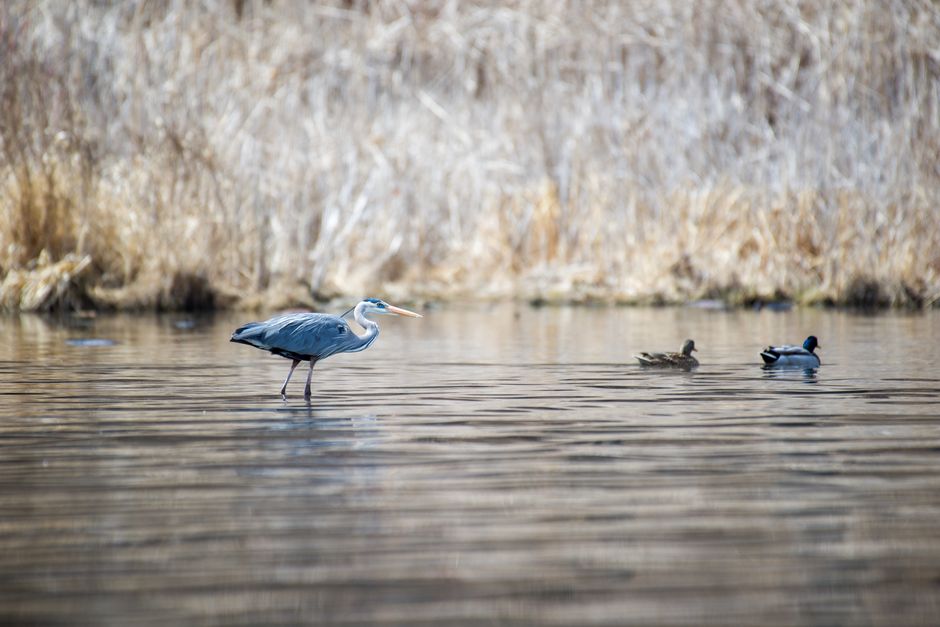
Wildlife photography offers a unique opportunity to observe and document the natural world. However, the increasing popularity of this genre has raised important questions about the impact photographers can have on their subjects. Ethical wildlife photography is centered on the principle of minimizing disturbance, using appropriate equipment such as long lenses, and respecting the space of animals to capture authentic moments. This article explores practical guidelines that can help photographers approach their craft with responsibility and care.
The foundation of ethical wildlife photography lies in understanding that the welfare of the subject is always more important than the image. This means prioritizing the natural behavior of animals over getting a particular shot. By adopting a mindset that values observation over intervention, photographers can contribute to the preservation of wildlife and their habitats. The following sections outline key considerations and methodologies that align with these ethical standards.
Understanding Animal Behavior and Space
Before heading into the field, it is essential to research the species you intend to photograph. Different animals have varying tolerance levels for human presence. Understanding their behaviors, breeding seasons, and feeding patterns helps in predicting how they might react to a photographer’s presence. This knowledge allows photographers to choose appropriate times and locations for observation, reducing the likelihood of causing stress or disrupting essential activities.
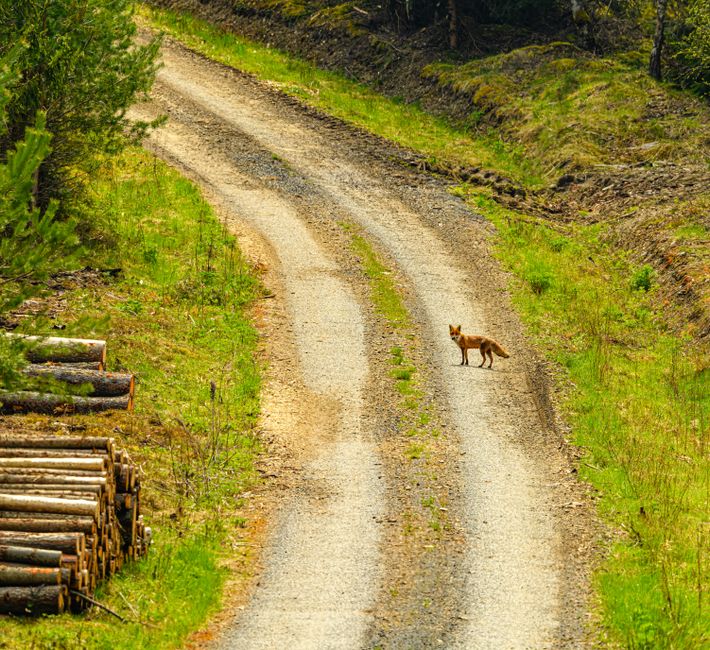
Respecting an animal’s space involves staying at a distance that does not alter its natural behavior. Signs of disturbance can include changes in feeding, resting, or social interactions, as well as alarm calls or defensive postures. When such signs are observed, it is crucial to retreat slowly and increase the distance. The use of binoculars or a spotting scope can aid in assessing an animal’s state from afar, ensuring that the photographer can monitor cues without getting too close.
In addition to physical distance, photographers should consider the angle and direction of their approach. Approaching animals from a direct, confrontational angle can be perceived as threatening. Instead, moving slowly and diagonally, or waiting for the animal to become accustomed to your presence, can minimize stress. Patience is a key component of ethical wildlife photography, as allowing animals to carry on with their natural activities often leads to more authentic and rewarding images.
Utilizing Long Lenses to Maintain Distance
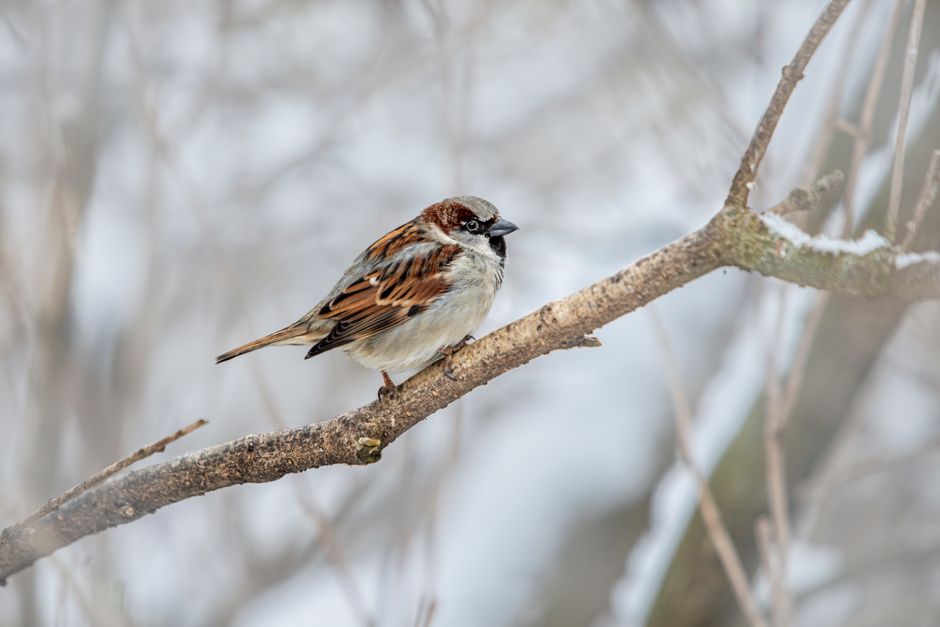
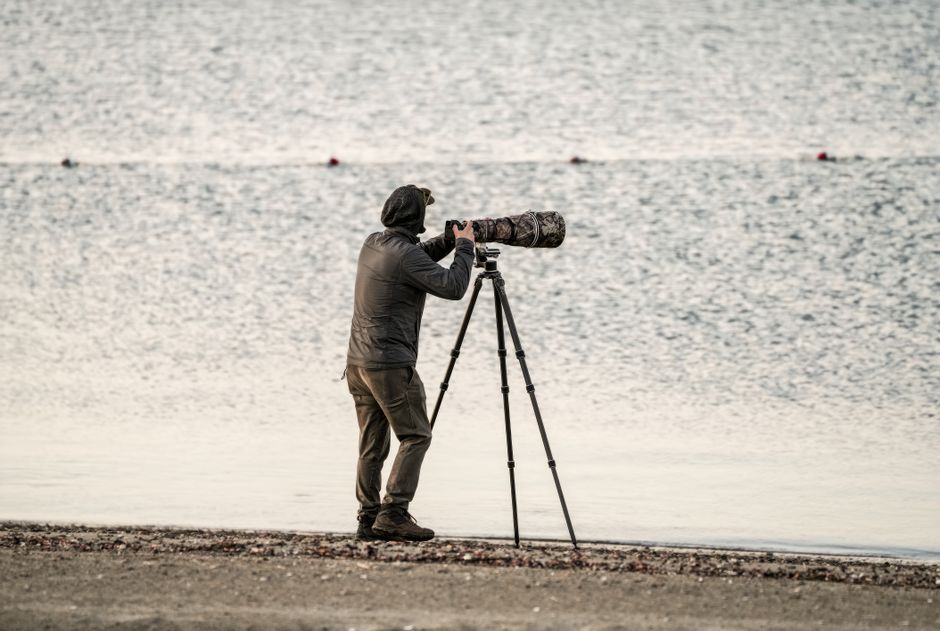
The choice of equipment plays a significant role in ethical wildlife photography. Long telephoto lenses, typically with focal lengths of 300mm or more, enable photographers to capture detailed and close-up images while maintaining a respectful distance. This approach minimizes disturbance and allows animals to behave naturally, resulting in images that are both technically excellent and ethically sound.
When selecting a lens, consider factors such as weight, stabilization, and aperture. A heavier lens may require a sturdy tripod or monopod, which can add stability but also limits mobility. Image stabilization systems can be beneficial, especially in low-light conditions, but they do not replace the need for ethical distance. Aperture settings affect depth of field and the ability to shoot in low light, but the primary purpose is to support the photographer’s ability to capture sharp images from a distance.
In addition to the lens, other accessories can aid in maintaining distance. A remote shutter release or a camera with silent mode can reduce the risk of startling animals. Using a vehicle as a blind, when permitted, allows photographers to get closer without causing disturbance, as animals often habituate to the presence of cars. However, it is important to follow local regulations and guidelines regarding vehicle use in wildlife areas.
Practical Strategies for Minimizing Disturbance
Minimizing disturbance extends beyond lens choice and includes a range of field practices. One of the most effective strategies is to learn the patterns of the species and position yourself in advance, rather than following or chasing animals. This approach, often referred to as ‘set up and wait,’ allows wildlife to come to you, reducing the impact of your presence. It requires patience and a thorough understanding of the subject’s habits.
In some cases, photographers may use blinds or hides to conceal their presence. These structures can be natural, such as vegetation, or portable fabric hides. When using a hide, it is important to ensure that it does not place the photographer in a position that could stress the animal or block its natural movement. Hides should be set up well ahead of time and thoroughly accustomed to by the animals before the photographer enters.
Another consideration is the use of playback calls or bait to attract animals. These techniques are highly controversial in ethical wildlife photography because they can disrupt natural behavior and create artificial interactions. As a general rule, they should be avoided, as they often lead to altered behaviors that are not representative of the wild. Instead, focusing on natural opportunities and documenting authentic moments is more aligned with ethical guidelines.
Respecting Habitats and Ecosystems
Ethical wildlife photography also involves respecting the habitats and ecosystems where animals live. This means staying on designated paths, avoiding trampling vegetation, and not interfering with burrows, nests, or other sensitive structures. The photographer’s presence can have indirect effects, such as scaring prey, which can impact the food chain. Therefore, it is crucial to be aware of the broader environment and to leave no trace.
In some environments, such as nesting beaches for sea turtles or breeding grounds for birds, additional restrictions may apply. Photographers should familiarize themselves with local laws and conservation regulations, which often specify distances and seasonal closures. Adhering to these rules not only protects wildlife but also ensures that future generations can enjoy and photograph these species.
Furthermore, the sharing of location information should be done cautiously. Publicizing specific locations of rare or sensitive species can lead to an influx of photographers, causing significant disturbance. Ethical photographers often practice ‘spot-masking’ or only share general regions rather than exact coordinates. This helps to protect the animals from excessive human pressure.
In the context of the company WildRoots, which emphasizes responsible outdoor engagement, these practices align with the principle of leaving nature undisturbed for its own sake and for the enjoyment of others.
Post-Processing and Authenticity
The ethical considerations of wildlife photography extend into the digital darkroom. Modifying images to alter the context or behavior of the subject can misrepresent the reality of the moment. While basic adjustments such as exposure, contrast, and cropping are acceptable, removing or adding elements that change the story of the image may be considered unethical. The goal is to present accurate representations of wildlife and their environments.
Photographers should also consider how they share their images. Captions that provide accurate context, such as noting that an image was taken in a sanctuary or under controlled conditions, help viewers understand the circumstances. Avoiding captions that imply intentional animal interactions when none occurred is important for maintaining trust and honesty.
Additionally, photographers have a responsibility to avoid glorifying harmful behaviors, such as showing animals in distress or unnatural situations. Images that might encourage others to attempt risky or unethical interactions should be reviewed critically. By maintaining authenticity and integrity in post-processing, photographers uphold the ethical standards that are vital for the genre.
Continuous Learning and Community Engagement
Ethical wildlife photography is not a static set of rules but a continuous learning process. Engaging with conservationists, biologists, and fellow photographers can provide insights into best practices and new challenges. Many organizations offer guidelines and ethics codes that can serve as references. Participating in workshops and discussions helps to refine one’s approach and stay updated on emerging ethical considerations.
Moreover, photographers can contribute to conservation efforts by supporting local initiatives, donating images for research, or volunteering their time. Using photographs to tell stories about threatened species and ecosystems can raise awareness and promote conservation. However, it is essential to ensure that such actions do not prioritize personal gain over the welfare of the subjects.
Ultimately, the practice of ethical wildlife photography is a personal commitment to respect and protect the natural world. By consistently applying the principles of minimal disturbance, respectful distance, and authentic representation, photographers can enjoy their craft while ensuring they leave a positive impact on the wildlife they admire. As the community grows, fostering a culture of responsibility will be essential for the sustainability of wildlife photography.